
In the fast-paced world of digital marketing, we often find ourselves overwhelmed by the sheer volume of data and the multitude of platforms we need to navigate. Each campaign we run typically requires us to juggle various tabs, each representing a different advertising platform or analytics tool. This tab chaos can lead to confusion, inefficiency, and ultimately, missed opportunities.
As we switch from one tab to another, we may lose sight of the bigger picture, struggling to connect the dots between our campaigns and their performance metrics. The result is a fragmented view of our marketing efforts, making it difficult to make informed decisions. Moreover, this chaotic environment can lead to errors in data interpretation.
When we are forced to rely on multiple sources for information, discrepancies can arise, leading us to draw incorrect conclusions about our campaigns. We may find ourselves spending excessive time trying to reconcile data from different platforms instead of focusing on strategy and optimization. This not only hampers our productivity but also affects our ability to respond swiftly to market changes.
In essence, tab chaos creates a barrier to effective decision-making, leaving us feeling frustrated and overwhelmed.
Key Takeaways
- Tab chaos can lead to inefficiency and confusion in managing paid media campaigns
- A unified paid media dashboard can provide a centralized and comprehensive view of all paid media activities
- When choosing a unified paid media dashboard, consider factors such as integration capabilities, customization options, and user interface
- Streamlining paid media strategy through a unified dashboard can lead to better coordination and optimization of campaigns
- A unified paid media dashboard can help maximize budget and ROI by providing insights and data-driven decision-making opportunities
The Benefits of a Unified Paid Media Dashboard
Streamlined Reporting and Enhanced Collaboration
With everything in one place, we can streamline our reporting processes and reduce the time spent switching between tabs. Additionally, a unified dashboard enhances collaboration within our teams. When everyone has access to the same data in real-time, we can foster a culture of transparency and accountability.
Improved Decision-Making and Collective Expertise
Team members can easily share insights and discuss strategies based on the same set of information, leading to more cohesive decision-making. This collaborative environment not only improves our efficiency but also empowers us to leverage collective expertise, ultimately driving better results for our campaigns.
Driving Better Results with a Unified Dashboard
How to Choose the Right Unified Paid Media Dashboard
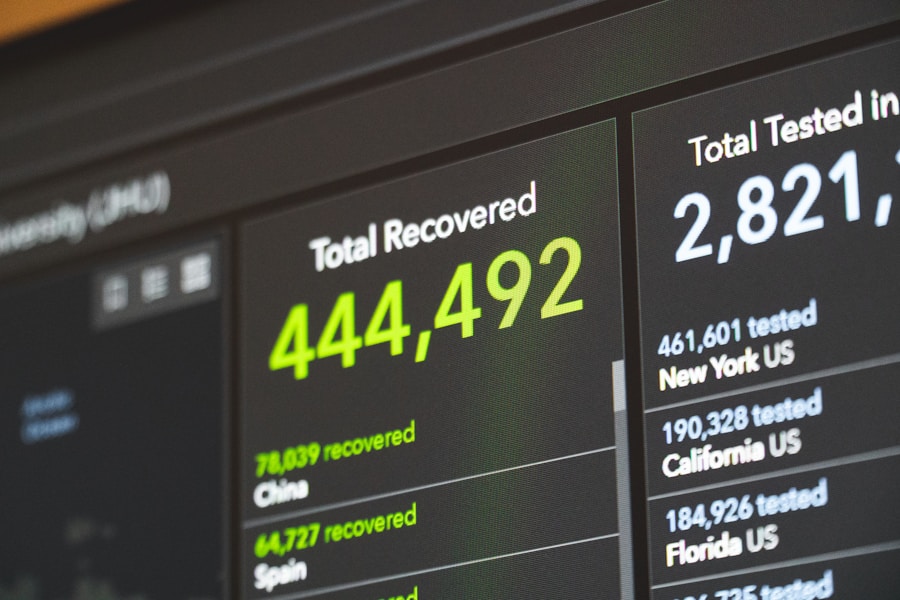
Selecting the right unified paid media dashboard is crucial for maximizing its benefits. First and foremost, we need to consider the specific needs of our organization. Different dashboards offer varying features and capabilities, so it’s essential to identify what functionalities are most important for our campaigns.
For instance, do we require advanced analytics tools, or is a simple reporting interface sufficient? By understanding our unique requirements, we can narrow down our options effectively. Another critical factor is integration capabilities.
The ideal dashboard should seamlessly connect with the platforms we currently use for advertising and analytics. This ensures that we can pull in data effortlessly without manual input or complicated setups. We should also evaluate the user interface; a dashboard that is intuitive and easy to navigate will save us time and reduce the learning curve for team members.
Finally, considering customer support and training resources is vital; having access to assistance when needed can make a significant difference in our overall experience with the dashboard.
Streamlining Your Paid Media Strategy
Once we have chosen the right unified paid media dashboard, we can begin to streamline our paid media strategy effectively. The first step is to establish clear goals and KPIs that align with our overall marketing objectives. With a unified view of our campaigns, we can easily track progress against these goals and make data-driven adjustments as necessary.
This proactive approach allows us to optimize our strategies in real-time rather than waiting until the end of a campaign to assess performance. Furthermore, utilizing the insights gained from our dashboard can help us identify areas for improvement across our campaigns. For example, we may discover that certain ad formats or targeting strategies yield better results than others.
Armed with this knowledge, we can allocate resources more efficiently and focus on high-performing tactics. By continuously refining our approach based on data insights, we position ourselves for greater success in achieving our marketing goals.
Maximizing Budget and ROI with a Unified Paid Media Dashboard
One of the most significant advantages of using a unified paid media dashboard is its potential to maximize our budget and return on investment (ROI). With all our data consolidated in one place, we can analyze spending patterns across different platforms and campaigns more effectively. This visibility allows us to identify which channels deliver the best results relative to their costs, enabling us to allocate our budget strategically.
Moreover, by leveraging advanced analytics features within the dashboard, we can conduct more sophisticated analyses of our campaigns. For instance, we can perform A/B testing on different ad creatives or targeting options to determine which combinations yield the highest ROI. This level of analysis empowers us to make informed decisions about where to invest our resources for maximum impact.
Ultimately, by optimizing our budget allocation based on data-driven insights, we can enhance our overall marketing performance and achieve better financial outcomes.
Case Studies: Success Stories with Unified Paid Media Dashboards

Streamlining Campaign Performance
A mid-sized e-commerce company that struggled with fragmented data. After implementing a unified dashboard, they consolidated their data into a single view, allowing them to identify underperforming campaigns quickly. By reallocating their budget towards higher-performing ads based on real-time insights, they achieved a 30% increase in ROI within just three months.
Enhancing Client Satisfaction
A digital marketing agency that managed multiple clients across various industries faced challenges in reporting and analyzing performance metrics for each client separately. With the new system in place, they streamlined their reporting processes and provided clients with comprehensive insights into their campaigns’ performance. As a result, client satisfaction improved significantly, leading to increased retention rates and new business opportunities through referrals.
Driving Success in a Competitive Landscape
In conclusion, embracing a unified paid media dashboard can revolutionize how we manage our digital marketing efforts. By addressing tab chaos and providing a comprehensive view of our campaigns, these dashboards empower us to make informed decisions that drive better results. As we streamline our strategies and maximize our budgets through data-driven insights, we position ourselves for success in an increasingly competitive landscape.
If you’re looking to streamline your digital marketing efforts even further, consider conducting a web analytics and tag management audit. This can help you identify areas for improvement and ensure that your data is accurate and actionable. Check out this article for more information on how this service can benefit your business.