
In today’s fast-paced business environment, we often find ourselves grappling with a significant challenge: the existence of disparate data sources. Organizations frequently collect data from various platforms, tools, and departments, leading to a fragmented view of operations. This disarray can create confusion and inefficiencies, as we struggle to piece together insights from multiple locations.
When data is scattered across different systems, it becomes increasingly difficult to obtain a comprehensive understanding of our performance metrics, customer behaviors, and market trends. As a result, decision-making can be hampered, and we may miss out on valuable opportunities for growth. Moreover, the inconsistency in data formats and quality can further complicate our efforts.
Different departments may use varying metrics or definitions, leading to discrepancies that can skew our analyses. For instance, sales teams might track customer acquisition differently than marketing teams, resulting in conflicting reports that hinder our ability to strategize effectively. This lack of cohesion not only affects our internal processes but can also impact our relationships with clients and stakeholders.
When we present conflicting information, it undermines our credibility and can erode trust in our organization.
Key Takeaways
- Disparate data sources can lead to inconsistencies, errors, and inefficiencies in reporting
- Centralized reporting allows for a single source of truth, improved data accuracy, and streamlined reporting processes
- Centralized reporting saves time by eliminating the need to manually gather and reconcile data from multiple sources
- It also saves money by reducing the resources required for data management and reporting
- Overcoming challenges in implementing centralized reporting requires clear communication, stakeholder buy-in, and a well-defined implementation plan
- Real-world case studies demonstrate the benefits of centralized reporting in improving decision-making and operational efficiency
- When choosing a centralized reporting dashboard, consider factors such as data integration capabilities, user-friendliness, and scalability to meet future needs
The Benefits of Centralized Reporting
Enhanced Visibility and Collaboration
With all relevant data in one place, we can easily identify trends, monitor key performance indicators (KPIs), and assess the overall health of our organization. Additionally, centralized reporting fosters collaboration among teams. When everyone has access to the same data, it encourages alignment and facilitates communication across departments.
Driving Collective Success
We can work together more effectively, sharing insights and strategies that drive collective success. This collaborative environment not only enhances productivity but also cultivates a culture of transparency within our organization.
Empowering Teams
As we break down silos and promote open dialogue, we empower our teams to contribute their unique perspectives and expertise, ultimately leading to better outcomes.
How Centralized Reporting Saves Time and Money
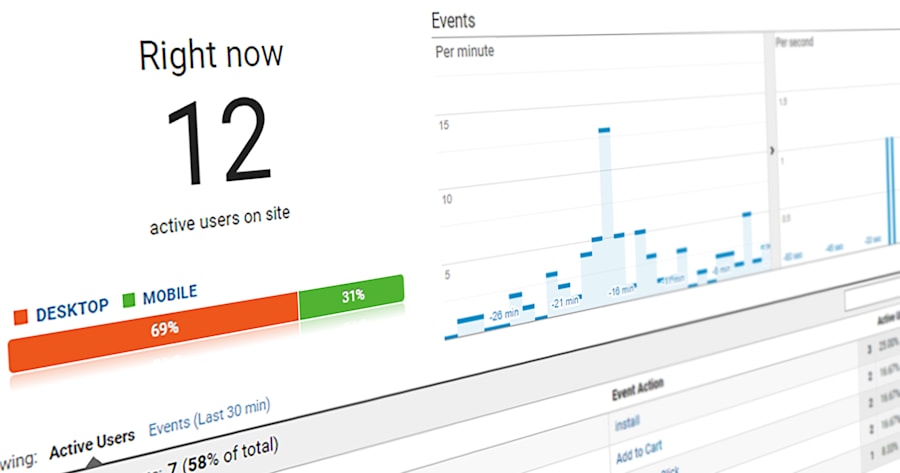
One of the most compelling advantages of centralized reporting is its potential to save both time and money. When we rely on disparate data sources, the process of gathering and analyzing information can be labor-intensive and time-consuming. We often find ourselves spending countless hours manually compiling reports from various systems, which diverts our attention from more strategic initiatives.
By implementing a centralized reporting system, we can automate many of these processes, significantly reducing the time spent on data collection and analysis. Moreover, the financial implications of centralized reporting are substantial. By streamlining our reporting processes, we can minimize operational costs associated with data management.
The reduction in manual labor not only frees up valuable resources but also decreases the likelihood of errors that can lead to costly mistakes. Additionally, with improved access to accurate data, we can make more informed financial decisions that drive profitability. Ultimately, the efficiency gained through centralized reporting translates into a stronger bottom line for our organization.
Overcoming Challenges in Implementing Centralized Reporting
While the benefits of centralized reporting are clear, we must also acknowledge the challenges that may arise during its implementation. One common hurdle is resistance to change from team members who are accustomed to their existing processes. Transitioning to a centralized system requires a cultural shift within our organization, and some individuals may be hesitant to adopt new technologies or workflows.
To address this resistance, we must prioritize effective change management strategies that involve clear communication about the benefits of centralized reporting and provide adequate training for all employees. Another challenge lies in the integration of various data sources into a single platform. We may encounter technical difficulties when attempting to consolidate data from legacy systems or incompatible software.
To overcome this obstacle, it is essential to conduct thorough assessments of our existing infrastructure and identify potential gaps before implementation begins. Collaborating with IT professionals or external consultants can also facilitate a smoother integration process. By proactively addressing these challenges, we can set ourselves up for success as we transition to a centralized reporting model.
Case Studies: Real-world Examples of Centralized Reporting Success
To illustrate the effectiveness of centralized reporting, we can look at several real-world case studies that highlight its transformative impact on organizations. One notable example is a large retail chain that struggled with inventory management due to fragmented data across multiple locations. By implementing a centralized reporting system, they were able to consolidate inventory data from all stores into one platform.
This allowed them to gain real-time visibility into stock levels and sales trends, ultimately leading to more efficient inventory management and reduced costs. Another compelling case involves a healthcare provider that faced challenges in tracking patient outcomes due to disparate data sources across departments. By adopting a centralized reporting solution, they were able to integrate patient records, treatment plans, and outcomes into a single dashboard.
This not only improved their ability to monitor patient care but also facilitated better communication among healthcare professionals. As a result, they experienced enhanced patient satisfaction and improved health outcomes.
Tips for Choosing the Right Centralized Reporting Dashboard
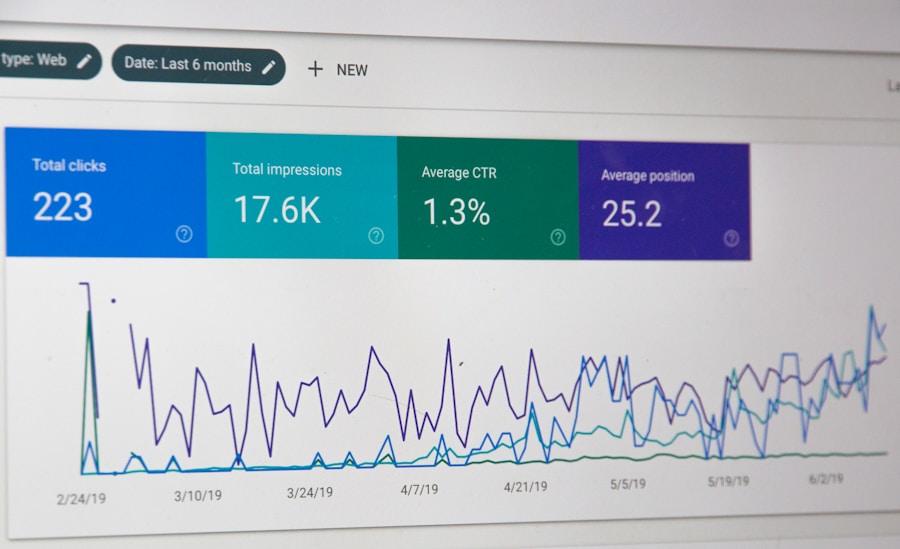
When it comes to selecting the right centralized reporting dashboard for our organization, there are several key factors to consider. First and foremost, we should evaluate the specific needs of our teams and the types of data we need to analyze. A dashboard that offers customizable features will allow us to tailor it to our unique requirements, ensuring that we capture the most relevant insights for our decision-making processes.
Additionally, user-friendliness is crucial in ensuring widespread adoption among team members. A dashboard that is intuitive and easy to navigate will encourage employees to engage with the system regularly. We should also consider integration capabilities; the ideal dashboard should seamlessly connect with our existing tools and data sources to facilitate smooth data flow.
Finally, we must prioritize scalability when choosing a centralized reporting dashboard. As our organization grows and evolves, our reporting needs may change as well. Selecting a solution that can adapt to these changes will ensure that we continue to derive value from our centralized reporting efforts over time.
In conclusion, while disparate data sources present significant challenges for organizations today, centralized reporting offers a viable solution that enhances clarity, collaboration, and efficiency. By overcoming implementation hurdles and learning from real-world success stories, we can harness the power of centralized reporting to drive informed decision-making and ultimately achieve greater success in our endeavors.
One related article to “One Dashboard to Rule Them All: How Centralized Reporting Slashes Hours and Ad Spend Waste” is “Implementing Analytics Tools” which discusses the process of integrating various analytics tools into a centralized reporting system. This article provides valuable insights on how businesses can effectively utilize analytics tools to optimize their marketing strategies and improve overall performance. To learn more about implementing analytics tools, you can visit here.