
In today’s fast-paced digital landscape, the power of data in marketing cannot be overstated. We find ourselves surrounded by an overwhelming amount of information, and it is this very data that shapes our marketing strategies and decisions. By harnessing the insights derived from data, we can better understand our target audience, tailor our messaging, and ultimately drive more effective campaigns.
The ability to analyze consumer behavior, preferences, and trends allows us to create personalized experiences that resonate with our customers, fostering loyalty and engagement. Moreover, data empowers us to measure the effectiveness of our marketing efforts in real-time. We can track key performance indicators (KPIs) and assess the impact of our campaigns, enabling us to make informed adjustments on the fly.
This agility is crucial in a world where consumer preferences can shift rapidly. By leveraging data analytics, we can identify what works and what doesn’t, optimizing our strategies for maximum impact. In essence, data has become the backbone of modern marketing, guiding our decisions and helping us navigate the complexities of consumer behavior.
Key Takeaways
- Data is a powerful tool in marketing, providing valuable insights into customer behavior and preferences.
- Dashboards play a crucial role in marketing by presenting data in a visual and easily understandable format.
- Dashboards help marketers turn raw data into actionable insights, enabling them to make informed decisions.
- Data-driven marketing strategies can maximize ROI by targeting the right audience with the right message at the right time.
- Choosing the right dashboard is essential for meeting specific marketing needs and goals.
Understanding Dashboards and Their Role in Marketing
Streamlined Data Analysis
By presenting data in an easily digestible format, dashboards enable us to quickly identify trends, anomalies, and areas that require attention.
Fostering Collaboration and Transparency
Furthermore, dashboards facilitate collaboration within our teams. When everyone has access to the same data visualizations, it fosters a shared understanding of our marketing objectives and performance. This transparency encourages open discussions about strategies and outcomes, leading to more cohesive decision-making.
Enhanced Teamwork and Communication
As we work together to interpret the data presented on our dashboards, we can align our efforts and ensure that everyone is working towards common goals. In this way, dashboards not only enhance our understanding of data but also strengthen our teamwork and communication.
How Dashboards Help Turn Data into Actionable Insights
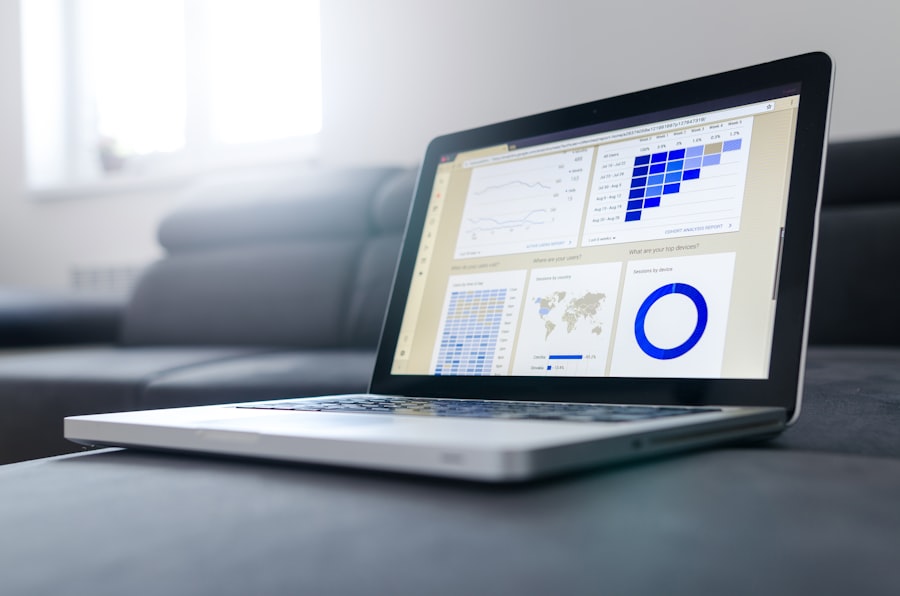
The true power of dashboards lies in their ability to transform raw data into actionable insights. By visualizing complex datasets, we can quickly discern patterns and correlations that might otherwise go unnoticed. For instance, a well-designed dashboard can highlight which marketing channels are driving the most traffic or conversions, allowing us to allocate resources more effectively.
This insight enables us to focus our efforts on high-performing strategies while reevaluating or adjusting those that are underperforming. Additionally, dashboards can help us segment our audience based on various criteria such as demographics, behavior, or engagement levels. This segmentation allows us to tailor our marketing messages to specific groups, enhancing the relevance of our communications.
By understanding the unique needs and preferences of different segments, we can create targeted campaigns that resonate more deeply with our audience. Ultimately, dashboards empower us to make data-driven decisions that lead to improved outcomes and a more strategic approach to marketing.
Maximizing ROI with Data-Driven Marketing Strategies
Maximizing return on investment (ROI) is a primary goal for any marketing team, and data-driven strategies are key to achieving this objective. By leveraging insights from our dashboards, we can identify which campaigns yield the highest returns and allocate our budgets accordingly. This strategic allocation ensures that we invest in initiatives that deliver measurable results while minimizing waste on less effective efforts.
Moreover, data-driven marketing allows us to experiment with different approaches and measure their impact in real-time. A/B testing is one such method that enables us to compare two variations of a campaign to determine which performs better. By analyzing the results through our dashboards, we can make informed decisions about which direction to pursue.
This iterative process not only enhances our understanding of what resonates with our audience but also contributes to continuous improvement in our marketing strategies. Ultimately, by embracing a data-driven mindset, we position ourselves to maximize ROI and drive sustainable growth.
Choosing the Right Dashboard for Your Marketing Needs
Selecting the right dashboard is crucial for ensuring that we can effectively analyze and interpret our marketing data. With a plethora of options available in the market, it’s essential for us to consider several factors before making a decision. First and foremost, we need to assess our specific needs and objectives.
Are we looking for a dashboard that focuses on social media metrics, website analytics, or overall campaign performance? Understanding our priorities will help us narrow down our options. Additionally, user-friendliness is a critical consideration when choosing a dashboard.
We want a platform that is intuitive and easy to navigate so that all team members can utilize it effectively without extensive training. The ability to customize visualizations and reports is also important; we should be able to tailor the dashboard to reflect the metrics that matter most to us. Finally, integration capabilities with other tools and platforms we use are essential for creating a seamless workflow.
By carefully evaluating these factors, we can select a dashboard that aligns with our marketing goals and enhances our data analysis capabilities.
Implementing Dashboards for Smarter Marketing Decision Making
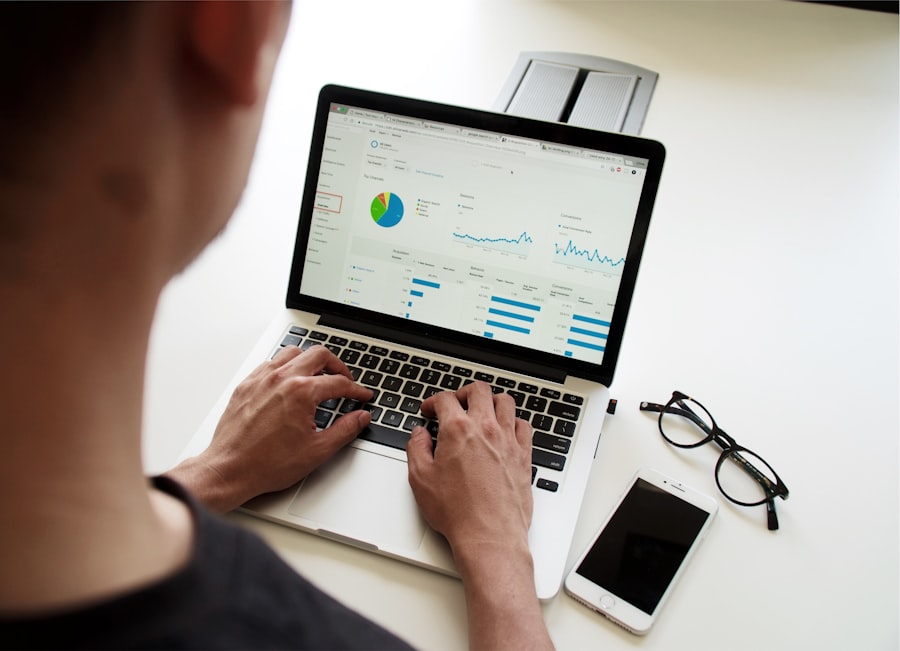
Once we have chosen the right dashboard for our needs, the next step is implementation. This process involves not only setting up the dashboard but also ensuring that all team members are trained on how to use it effectively. We should establish clear guidelines on how often data will be updated and who will be responsible for monitoring performance metrics.
By creating a structured approach to dashboard usage, we can ensure that it becomes an integral part of our decision-making process. As we begin to utilize the dashboard regularly, it’s important for us to foster a culture of data-driven decision-making within our team. This means encouraging team members to rely on insights from the dashboard when planning campaigns or making strategic choices.
Regularly scheduled meetings focused on reviewing dashboard metrics can help reinforce this culture and keep everyone aligned on performance goals. By embedding dashboards into our daily operations, we position ourselves to make smarter marketing decisions that are informed by real-time data rather than intuition alone. In conclusion, the integration of data into our marketing strategies through dashboards has transformed how we operate as marketers.
By understanding the power of data, utilizing dashboards effectively, and fostering a culture of data-driven decision-making, we can enhance our marketing efforts significantly. As we continue to embrace these tools and strategies, we will be better equipped to navigate the complexities of the modern marketing landscape and achieve greater success in reaching our goals.
If you’re interested in learning more about advanced click tracking with Google Tag Manager, check out the article Advanced Click Tracking with Google Tag Manager. This article dives deep into how to set up and utilize Google Tag Manager for tracking clicks on your website, providing valuable insights into user behavior and engagement. By implementing these advanced tracking techniques, you can unlock even more valuable data to inform your marketing strategies and drive profitability.