
In today’s fast-paced digital landscape, we find ourselves inundated with an overwhelming amount of data. Every click, every interaction, and every transaction generates a wealth of information that can be both a blessing and a curse. As marketers, we are tasked with sifting through this vast sea of data to extract meaningful insights that can drive our strategies.
However, the sheer volume of information can lead to confusion and analysis paralysis, making it difficult for us to make informed decisions. We often grapple with the challenge of distinguishing between valuable data and noise, which can hinder our ability to respond effectively to market trends and consumer behavior. Moreover, the rapid evolution of technology has only exacerbated this issue.
With the advent of advanced analytics tools and platforms, we have access to more data than ever before. While this can enhance our understanding of customer preferences and market dynamics, it also raises the stakes. We must be vigilant in ensuring that we are not overwhelmed by the data but rather empowered by it.
The challenge lies in our ability to filter through the noise and focus on the metrics that truly matter. As we navigate this complex landscape, we must develop strategies to manage data overload effectively, ensuring that we harness its potential without becoming paralyzed by its volume.
Key Takeaways
- Data overload can be a major challenge in marketing, leading to confusion and inefficiency.
- Clarity in marketing decision-making is crucial for success, as it helps to focus efforts and resources on the most effective strategies.
- Dashboards are valuable tools for marketers, as they provide a clear and concise overview of key metrics and help optimize return on investment.
- Effective marketing dashboards should be user-friendly, customizable, and provide real-time data to support informed decision-making.
- Case studies demonstrate the successful implementation of marketing dashboards, showcasing their impact on improving marketing performance and ROI.
- When choosing a dashboard solution for your marketing team, consider factors such as ease of use, integration with existing systems, and the ability to track relevant KPIs.
The Importance of Clarity in Marketing Decision-Making
In the realm of marketing, clarity is paramount. When faced with a multitude of data points, we must strive for a clear understanding of our objectives and the metrics that align with them. Without clarity, our decision-making processes can become muddled, leading to misguided strategies and wasted resources.
It is essential for us to establish a clear framework that outlines our goals and the key performance indicators (KPIs) that will guide our efforts. By doing so, we can ensure that every decision we make is rooted in a solid understanding of our desired outcomes. Furthermore, clarity in decision-making fosters collaboration within our teams.
When everyone is aligned on objectives and metrics, we can work together more effectively to achieve our goals. This shared understanding allows us to communicate more efficiently, reducing the risk of misinterpretation or conflicting priorities. As we cultivate a culture of clarity within our marketing teams, we empower ourselves to make informed decisions that drive results.
Ultimately, clarity not only enhances our decision-making processes but also strengthens our overall marketing strategies.
How Dashboards Help Marketers Optimize ROI

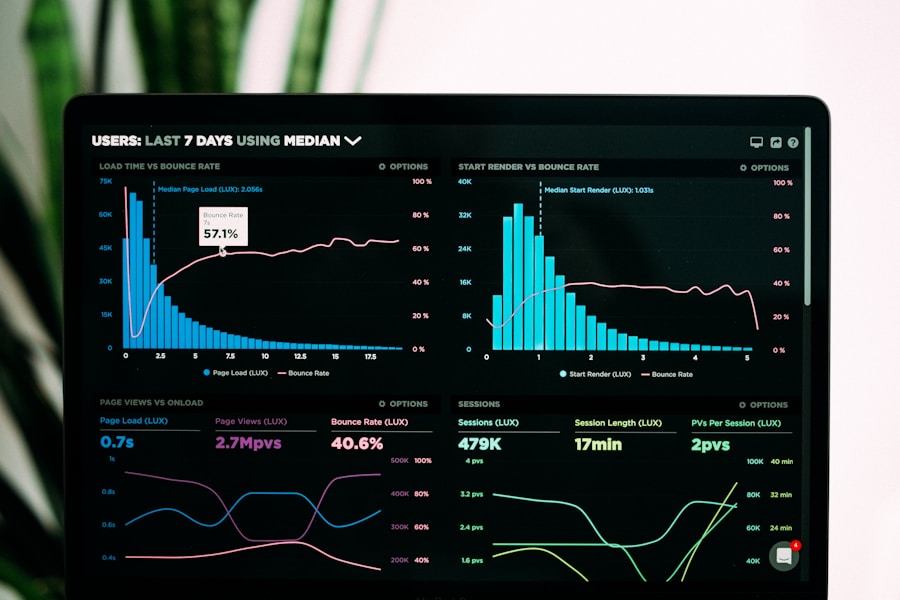
In our quest for clarity and actionable insights, marketing dashboards have emerged as invaluable tools. These visual representations of data allow us to consolidate information from various sources into a single, easily digestible format. By leveraging dashboards, we can monitor our performance in real-time, enabling us to make swift adjustments to our strategies as needed.
This agility is crucial in today’s dynamic market environment, where consumer preferences can shift rapidly. Moreover, dashboards provide us with the ability to track our return on investment (ROI) more effectively. By visualizing key metrics related to our campaigns, we can quickly assess which initiatives are delivering results and which may require reevaluation.
This level of insight empowers us to allocate resources more strategically, ensuring that we invest in the channels and tactics that yield the highest returns. As we embrace dashboard technology, we position ourselves to optimize our marketing efforts and drive greater ROI for our organizations.
Key Features of Effective Marketing Dashboards
When selecting a marketing dashboard solution, it is essential for us to consider several key features that can enhance its effectiveness. First and foremost, user-friendliness is critical. A dashboard should be intuitive and easy to navigate, allowing team members at all levels to access and interpret data without extensive training.
This accessibility ensures that everyone can engage with the dashboard and contribute to data-driven decision-making. Another important feature is customization. Every marketing team has unique needs and objectives, so it is vital for us to choose a dashboard that allows for tailored reporting and visualization options.
This flexibility enables us to focus on the metrics that matter most to our specific goals, rather than being confined to a one-size-fits-all approach. Additionally, real-time data integration is crucial; we need dashboards that pull in data from various sources seamlessly, providing us with up-to-date insights that reflect current performance.
Case Studies: Successful Implementation of Marketing Dashboards
To illustrate the impact of effective marketing dashboards, let’s explore some case studies that highlight successful implementations. One notable example is a leading e-commerce company that faced challenges in tracking its marketing performance across multiple channels. By adopting a comprehensive dashboard solution, they were able to consolidate data from social media, email campaigns, and website analytics into one cohesive view.
This integration allowed them to identify which channels were driving the most traffic and conversions, ultimately leading to a 30% increase in ROI over six months. Another compelling case involves a B2B software company that struggled with lead generation and conversion tracking. After implementing a customized marketing dashboard, they gained visibility into their sales funnel and identified bottlenecks in their process.
By analyzing the data presented in their dashboard, they were able to refine their lead nurturing strategies and improve their conversion rates by 25%. These case studies demonstrate how effective dashboard solutions can transform marketing efforts by providing actionable insights that drive tangible results.
Tips for Choosing the Right Dashboard Solution for Your Marketing Team
Involve Key Stakeholders in the Decision-Making Process
Involving key stakeholders in the decision-making process is crucial. By gathering input from team members who will be using the dashboard regularly, we can ensure that the chosen solution meets their needs and preferences.
Prioritize Scalability and Adaptability
We should prioritize scalability when evaluating dashboard options. As our marketing efforts evolve and grow, it is crucial for us to have a solution that can adapt alongside our changing requirements. This scalability will allow us to continue leveraging the dashboard effectively as our data needs expand.
Consider the Level of Support and Training
Finally, we must consider the level of support and training offered by the dashboard provider. A robust support system can make all the difference in ensuring a smooth implementation process and ongoing usage. By choosing a solution that provides comprehensive training resources and responsive customer support, we can empower our teams to maximize the benefits of their new dashboard.
By following these tips, we can optimize ROI, enhance collaboration within our teams, and position ourselves for success in an increasingly data-driven world.
In a related article on NOBS Digital, they discuss the importance of web analytics and tag management audits in order to optimize marketing strategies and improve ROI. By conducting a free Google Analytics audit, marketers can gain valuable insights into their website performance and user behavior. Implementing dashboards can help streamline data overload and provide clarity on which marketing efforts are driving the most success. To learn more about how web analytics and tag management audits can benefit your marketing strategy, check out this article.